Skip to content

Historical fiction | Based on a true story

For Your Tomorrows

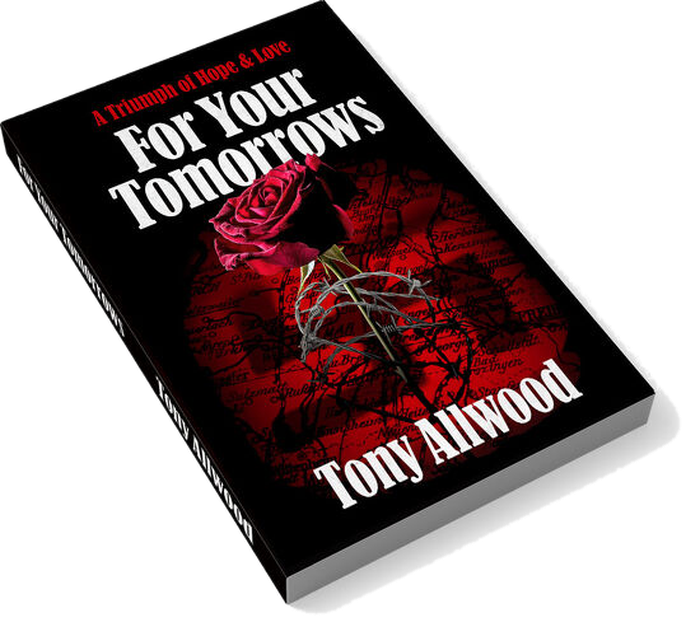
For Your Tomorrows by Tony Allwood

A historical fiction novel based on a true story. In March 1942 a schoolteacher joins Operation Chariot, the raid on St Nazaire known as The Greatest Raid. By morning he is a prisoner of war.

For Your Tomorrows by Tony Allwood

Buy the book

Choose your store

Available in print and on Kindle.

Printed book

United Kingdom

Printed book

United States

Printed book

Australia & New Zealand

Digital

Kindle

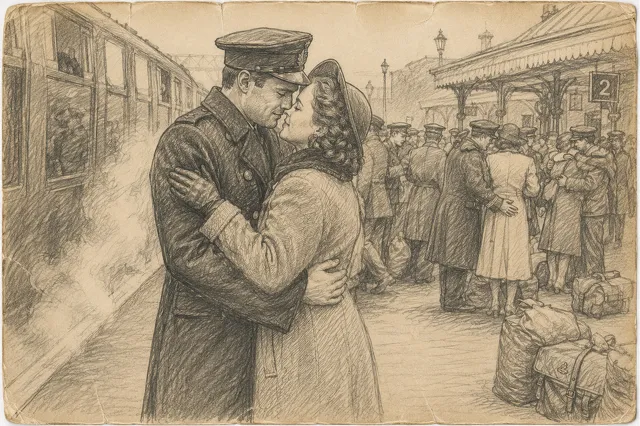
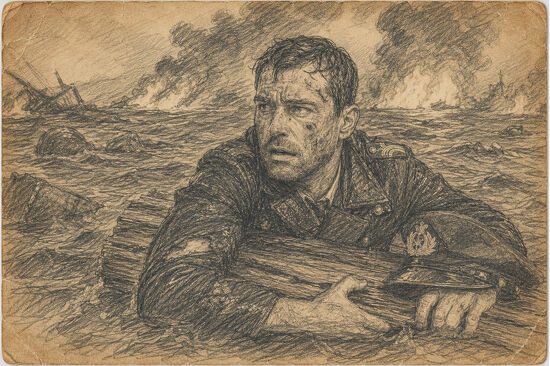
Illustration from For Your Tomorrows: farewell

The story

An unforgettable journey, based on a true story

Captured in France, Walter, a humble schoolteacher from northern England, finds himself at the mercy of the Nazi war machine.

This compelling narrative delves deep into Walter’s psyche, exploring how he grapples with the chaos and confinement of his new existence. Amidst the backdrop of global turmoil, his story emerges as both an adventure and an intimate examination of the endurance of love.

His enforced journey is marked by moments of pain, humiliation, humour and adventure, showing how an ordinary man confronts extraordinary challenges with courage and ingenuity.

The raid on St Nazaire

Where the story starts: Operation Chariot

On 28 March 1942, British sailors and Commandos sailed up the Loire estuary into the German-held port of St Nazaire. Their target was the Normandie dry dock, the only dock on the Atlantic coast big enough to repair the battleship Tirpitz.

The operation was codenamed Operation Chariot. It is remembered as The Greatest Raid of All. The dock was destroyed, but most of the men never made it home. 169 were killed and 215 were captured.

Walter is one of the captured. For Your Tomorrows begins where most accounts of the raid end.

Illustrations

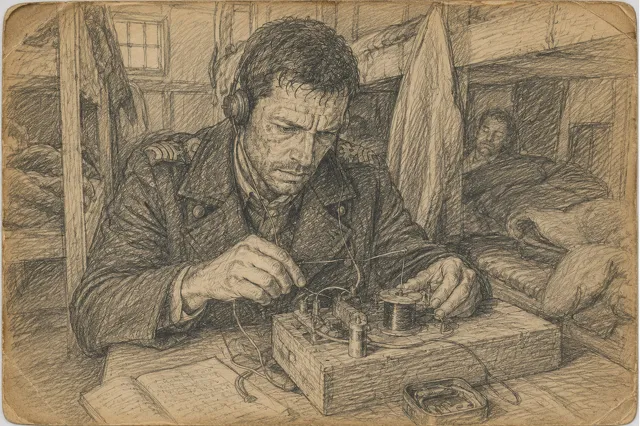
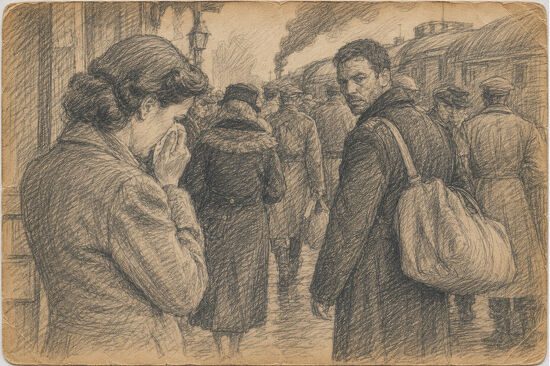
Scenes from the book

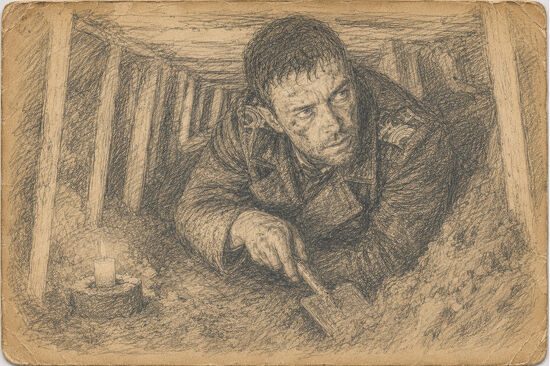
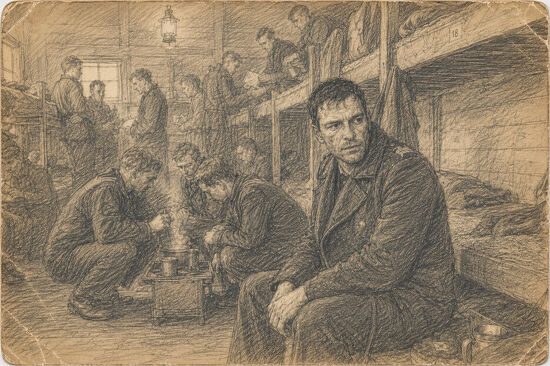
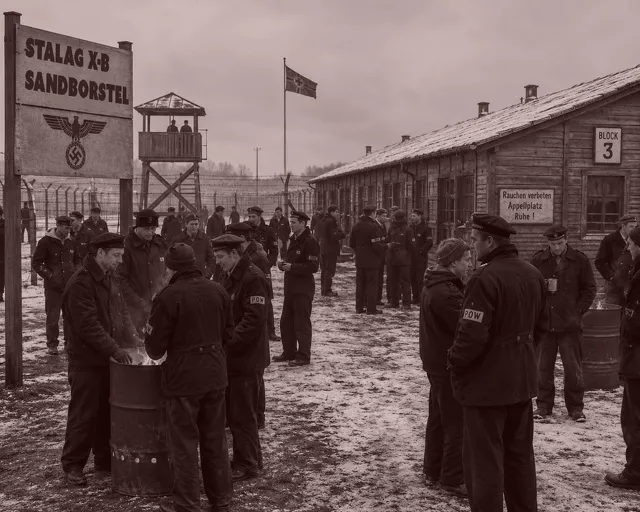
Pencil illustrations from For Your Tomorrows

Historical setting

The camps in the novel

Naval POW camp

Marlag und Milag Nord

The large naval camp where Walter spends much of his captivity, and becomes involved in escape planning and tunnelling.

Officers’ section

Marlag O

Where Walter meets survivors from several famous Royal Navy ships, and keeps planning his escape.

Upper Silesia

Stalag VIII-B (Lamsdorf)

One of Germany’s largest POW camps, referenced as prisoners move to work detachments.

Is this book for you?

Who should read For Your Tomorrows

Readers who enjoyed The Tattooist of Auschwitz, The Nightingale, All the Light We Cannot See, The Railway Man or Unbroken.

Latest news

News about For Your Tomorrows

Questions

About the book

A World War II novel inspired by the true story of British schoolteacher Walter. He volunteers for the Royal Navy, joins the Saint-Nazaire Raid and is captured by German forces. Years of captivity follow, with repeated escape attempts and the hope of returning to the woman he loves.

Yes. It is inspired by Walter, one of the British servicemen involved in the Saint-Nazaire Raid in 1942. The major historical events, operations and prisoner of war experiences are based on extensive research.

Operation Chariot was the British raid on the German-held port of St Nazaire in France on 28 March 1942. Royal Navy crews and Commandos rammed the explosive-packed destroyer HMS Campbeltown into the gates of the Normandie dry dock. The dock was the only one on the Atlantic coast large enough to repair the battleship Tirpitz. It stayed out of action for the rest of the war.

Read more about the raid on St Nazaire

The raid is known in British military circles as The Greatest Raid of All. Around 611 men took part. 169 were killed and 215 were captured. 89 decorations were awarded, including five Victoria Crosses.

Marlag und Milag Nord, Marlag O and Stalag VIII-B (Lamsdorf).

In print from Amazon UK, Amazon US and Amazon Australia, and as a Kindle ebook.

Yes. Producers and production companies can enquire about screen rights through the Film and TV rights page or by emailing [email protected].

Also by Tony Allwood

Beyond the Comfort Zone

Practical business networking guides, in five editions.